In India, smart buildings are rapidly becoming a new reality. As energy prices are on the rise, safety concerns are increasing, lifestyles are becoming more hybrid, and comfort is required more by homeowners and architects, they are turning towards intelligent and automated spaces.
This is going to be a significant turning point in 2026. The process of smart home automation will not only cease to be associated with the so-called fancy gadgets but will, in fact, change the way our villas, offices, and apartments operate on a daily basis.
The following are 10 intelligent building trends that will influence Indian homes and architecture in 2026 and the reason why you need to be interested.
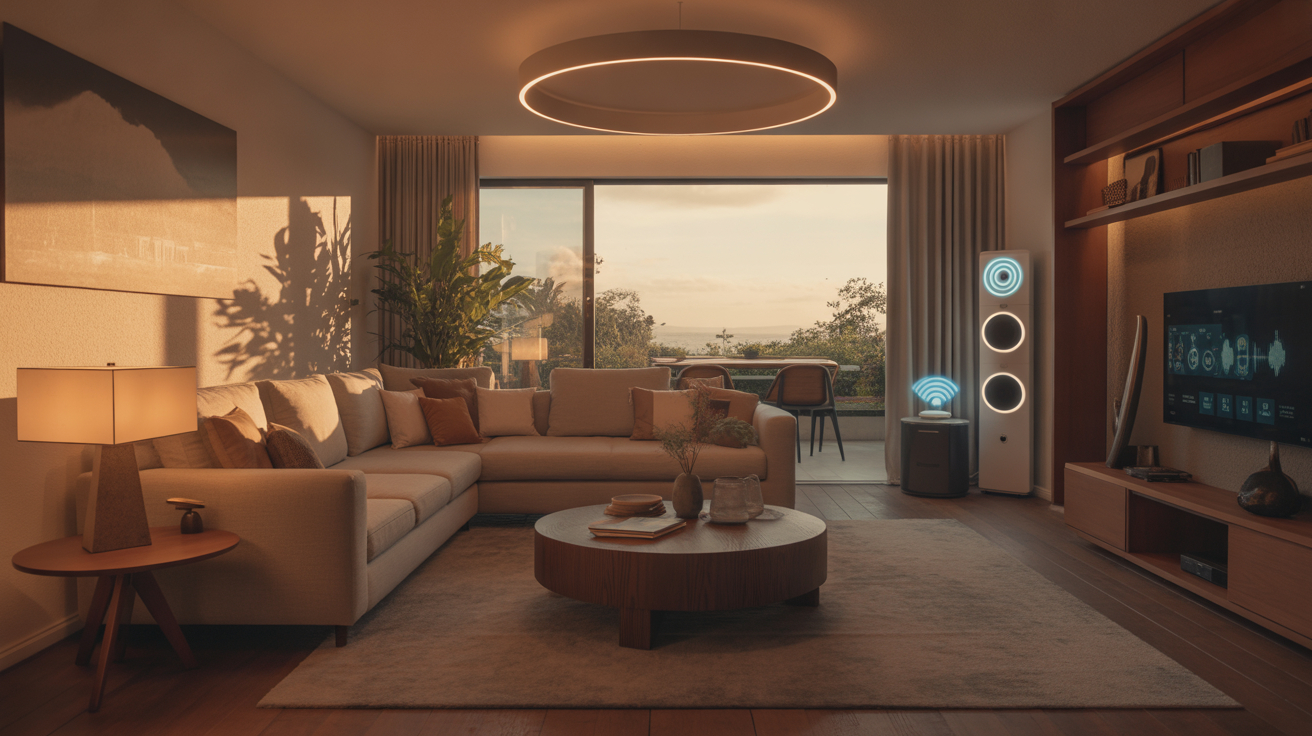
Smart Home automation systems based on AI (beyond Alexa and Google Home).
Voice assistants are not the only thing. The automation will be self-learnt in 2026.
- The lights automatically change depending on your everyday habits.
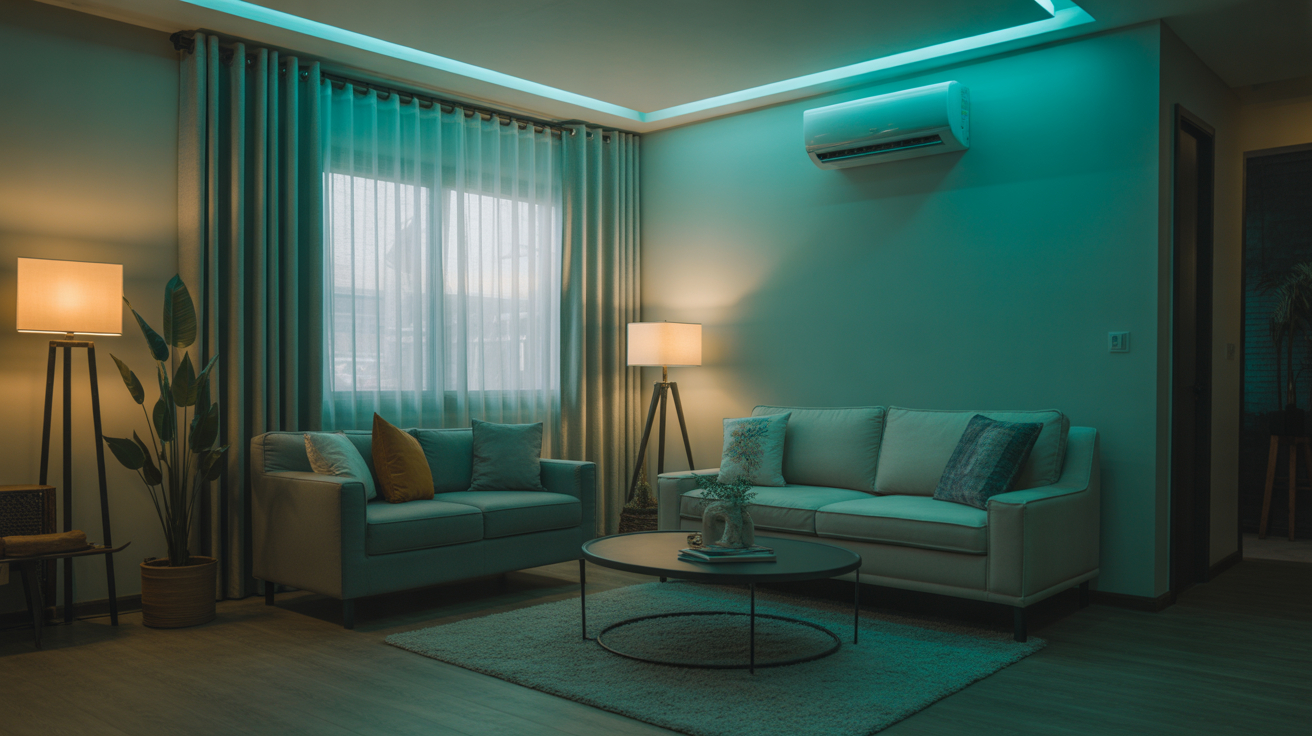
- AC remains aware of when you come and sets the right temperature for you.
- The curtains open/close with sunrise or with the weather.
Why is it crucial, you ask? - Buildings will not only obey orders but they will also understand the habits of people.
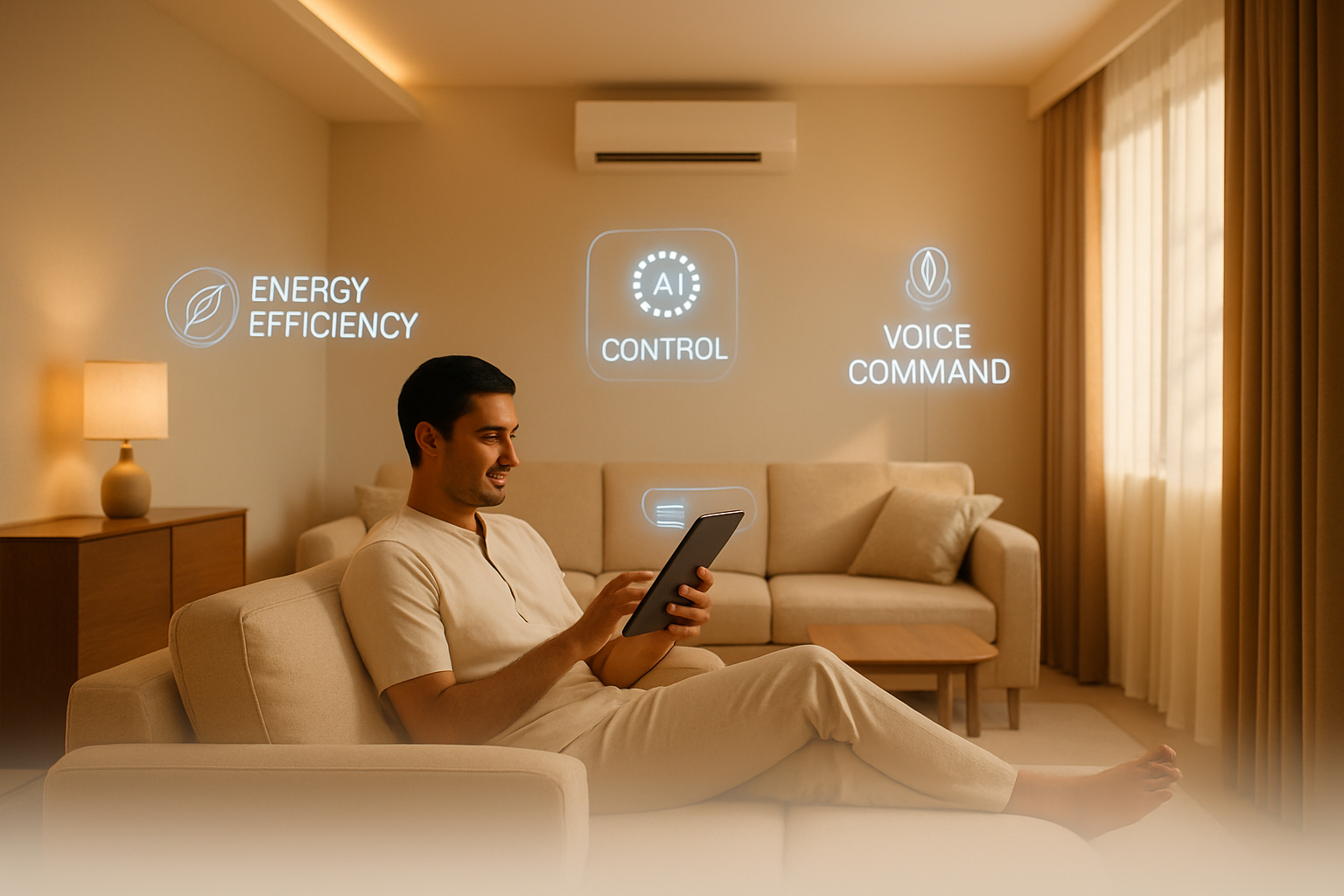
Energy Efficiency Will Be The Main Focus
Electrical charges are soaring high and the government is advocating green buildings.
Expect to see:
- HVAC and smart lighting automation.
- Automation and solar integration.
- Energy displaying real-time usage.
- Automatic electricity shut-offs in rooms that are not in use.
Why is it important? Low energy = low bills + increased resale value.
Intelligent Indian Language Control.
The language has been one of the major obstacles to the implementation of smart homes in India. That's changing.
In 2026, expect:
- Voice control in Indian regional languages like Hindi, Gujarati, Bengali etc.
- Basic mobile applications with a multitasking interface.
- Control of home systems is easy even among older people and children.
Why it is important: Automation will be really universal.
Security + Intelligent Technology = Requirement
The issue of safety is the key point in Indian houses and gated communities.
The smart buildings will encompass:
- Fingerprint or OTP smart door locks.
- Mobile access video door phones.
- Motion sensors at the doorways.
- Visitor control and warning systems.
The reason it is important: peace of mind is invaluable.
Smart Home Solutions for a Hybrid Life
Work-from-home is becoming more and more common and it is here to stay. Space redesign is already being redesigned by architects keeping this in mind.
In 2026, homes will feature:
- Smart study/work rooms.
- Soundproofing and acoustic automation.
- Lighting for meeting or concentration.
- Wall panels with hidden tech.
The reason it is important: coexistence and productivity.
Contactless and Well-Being-Centred Areas.
Hygiene and health are still values of post-pandemic lifestyle.
The smart wellness technology will comprise:
- Light, sensor, and sensor Tap and door.
- Monitoring of indoor air quality.
- Fresh air ventilation that is automated.
- Light and mood-based music.
Why it is important: Your homes will take care of your health automatically.
Intelligent Lighting: Mood and Time-Adjustable.
Lighting is no more decorative; it is emotional and useful.
Trends include:
- Circadian lighting (daylight simulation to sleep better).
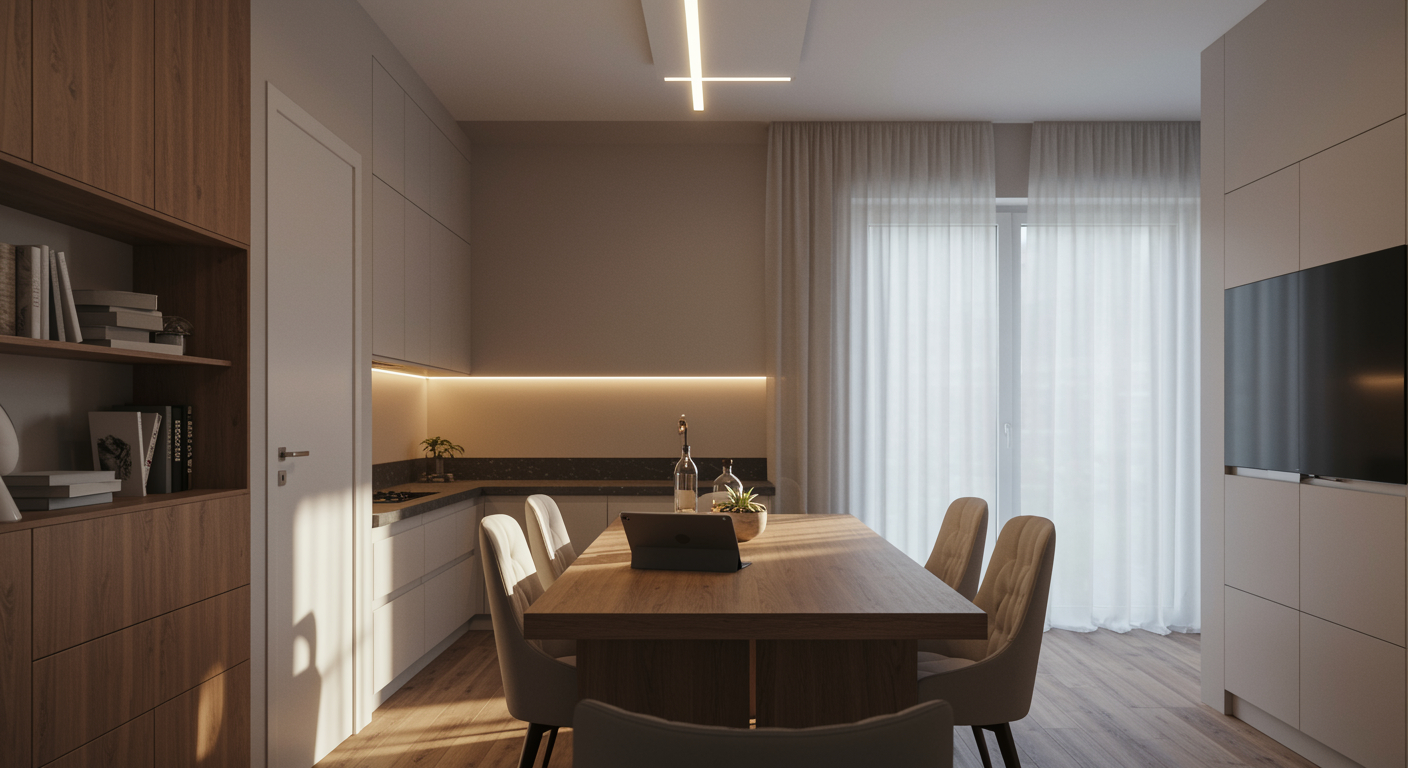
- Corridor and kitchen motion-based lights.
- LED strip lights in architecture.
- Scene sets such as "Dinner", "Relax", and "Party".
Reasons it is important: Light influences mood, productivity, and energy.
The Wireless/Modular Automation (No Rewiring Hassles)
Wiring is one key problem in the older Indian houses. However, in 2026, wireless automation shall prevail. The benefits of smart home market trends will include:
- No need to break walls.
- Easy upgrades.
- Expandable room by room.
- Suited to flats or remodelling.
Why it is important: Future-proof in construction anarchy.
Smart + Green = The New Luxury Standard.
The application of sustainability and automation into luxury projects in India is already being done, and it will not be limited to luxury in the near future.
2026 will see:
- Garden irrigation via smart devices
- Automated heating blinds.
- Real-time energy tracking.
- Net-zero or low-carbon homes.
Why it is important: The buyers will buy energy- and planet-saving homes.
Remote Monitoring and Digital Twins of Architects.
This is the other revolution in design.
A digital twin is a 3D representation of a building on the virtual plane and changes in real time.
Architects will be able to:
- Simulate light, air and energy.
- The current designs are interactive for clients.
- Identify problems at the pre-construction stage.
- Follow up performance of monitoring after completion.
The reason why this is important is because design is better, mistakes are reduced, and clients are happier.
So, what are its benefits for houseowners and architects?
Smart buildings are NOT just about gadgets.
It’s about comfort, efficiency, safety, and long-term value.
The earlier you adopt these trends, the more future-ready your space becomes.
Whether you're designing a luxury villa, renovating an apartment, or planning a commercial project—automation will no longer be an “extra”. It will be expected.
Final Thought
The Indian smart buildings will be mainstream in 2026. Those homeowners who adopt it will have an easy life. Those architects who incorporate it will be at the forefront of the industry. The buildings of the future are not merely concrete and steel; they are smart, intelligent, and people-orientated. Smart home market trends will give you all that you wish for your smart homes with smart lives.
And the future? It's much closer than we think.